
Blogging in Todays Modern E-Commerce World
In the ever-evolving world of e-commerce, choosing the right email marketing platform can significantly impact your business’s success. Two popular choices for e-commerce businesses are ConvertKit and Drip. Both platforms offer powerful tools to enhance your marketing efforts, but they cater to different needs and have distinct features. This blog post will delve into how ConvertKit and Drip support e-commerce businesses and compare their capabilities to help you make an informed decision.
ConvertKit: A Modern Solution for E-Commerce Success

ConvertKit is renowned for its simplicity and effectiveness, particularly for content creators, bloggers, and small businesses. However, it has increasingly become a strong contender for e-commerce businesses. Without further a do, Here’s how ConvertKit can help e-commerce:
1. Easy-to-Use Automation
ConvertKit’s automation features are user-friendly, allowing you to set up sophisticated workflows without a steep learning curve. For e-commerce businesses, this means you can automate processes like:
- Abandoned Cart Emails: Automatically send reminder emails to customers who have left items in their cart.
- Post-Purchase Follow-Ups: Engage customers with thank you emails, product recommendations, or feedback requests after their purchase.
- Customer Segmentation: Create segments based on customer behavior and purchase history to deliver targeted content and promotions.
2. Visual Automation Builder
The visual automation builder in ConvertKit makes it easy to design and implement complex workflows. You can drag and drop elements to create custom automation sequences, which is particularly useful for managing customer journeys and tailoring messages based on user interactions.
3. Tag-Based System
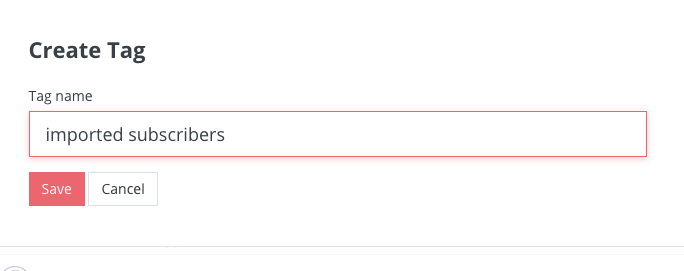
ConvertKit uses a tag-based system to organize and segment subscribers. For e-commerce, this means you can easily tag customers based on their actions, such as products they’ve purchased or pages they’ve visited. This segmentation allows for more personalized and relevant email campaigns.
4. Integration with E-Commerce Platforms
ConvertKit integrates with popular e-commerce platforms like Shopify and WooCommerce, enabling seamless data synchronization. You can sync customer data, track purchase history, and tailor your email marketing efforts accordingly.
Drip: The Powerhouse for E-Commerce Marketing

Drip is designed with e-commerce in mind and provides advanced features tailored to online retailers. Here’s how Drip stands out in supporting e-commerce businesses:
1. Advanced Automation and Personalization
Drip excels in offering robust automation capabilities that cater specifically to e-commerce needs:
- Complex Automation Workflows: Create intricate workflows that respond to user actions and behaviors, such as browsing specific products or making repeat purchases.
- Dynamic Product Recommendations: Utilize data to recommend products based on a customer’s browsing and purchase history, increasing the likelihood of additional sales.
- Behavioral Triggers: Set up triggers based on customer behavior, such as abandoned cart reminders, product reviews, and win-back campaigns.
2. In-Depth Customer Segmentation

Drip’s segmentation capabilities are highly advanced, allowing you to create detailed customer profiles based on various criteria, including purchase history, browsing behavior, and engagement level. This segmentation helps you target specific groups with tailored messaging, improving the effectiveness of your campaigns.
3. E-Commerce Integrations and Data Sync
Drip integrates seamlessly with major e-commerce platforms like Shopify, Magento, and BigCommerce. These integrations enable comprehensive data syncing, ensuring that your email marketing efforts are aligned with your e-commerce activities. Drip’s integration with these platforms allows for:
- Real-Time Data Sync: Keep your customer data up-to-date and ensure that your email campaigns reflect the latest information.
- Purchase-Based Triggers: Automate emails based on real-time purchase data, such as follow-ups for recent purchases or re-engagement campaigns for inactive customers.
4. Detailed Analytics and Reporting
Drip provides in-depth analytics and reporting features that offer valuable insights into your email marketing performance. Track metrics such as open rates, click-through rates, and conversion rates to understand how your campaigns are performing and make data-driven decisions.
ConvertKit vs. Drip: Which is Best for Your E-Commerce Business?
Choosing between ConvertKit and Drip depends on your e-commerce needs and objectives:
- ConvertKit is ideal if you’re looking for an easy-to-use platform with a focus on simplicity and content-driven marketing. Its automation and tagging features are effective for smaller e-commerce businesses or those with less complex needs. SIDE NOTE: They are changing their name from Convertkit to Kit in September of 2024.
- Drip is better suited for businesses requiring advanced automation, detailed customer segmentation, and robust e-commerce integrations. It’s particularly beneficial for larger e-commerce operations that need comprehensive data analysis and personalized marketing strategies.
Conclusion
Both ConvertKit and Drip offer valuable features for e-commerce businesses, but their strengths cater to different needs. ConvertKit excels in ease of use and content-focused automation, making it a solid choice for those seeking simplicity. Drip, on the other hand, provides advanced automation, detailed segmentation, and deep e-commerce integration, making it ideal for more complex marketing needs.
Evaluate your e-commerce goals and choose the platform that aligns best with your business strategy. By leveraging the right tools, you can enhance your email marketing efforts, drive more sales, and build stronger relationships with your customers.